Understanding Pallet Basics
Pallets are the foundation of modern warehousing. They're not just platforms — they're investments that directly affect your storage efficiency, safety, and bottom line. When you're selecting pallets for your operation, you're really making decisions that'll impact your team's workflow for years to come.
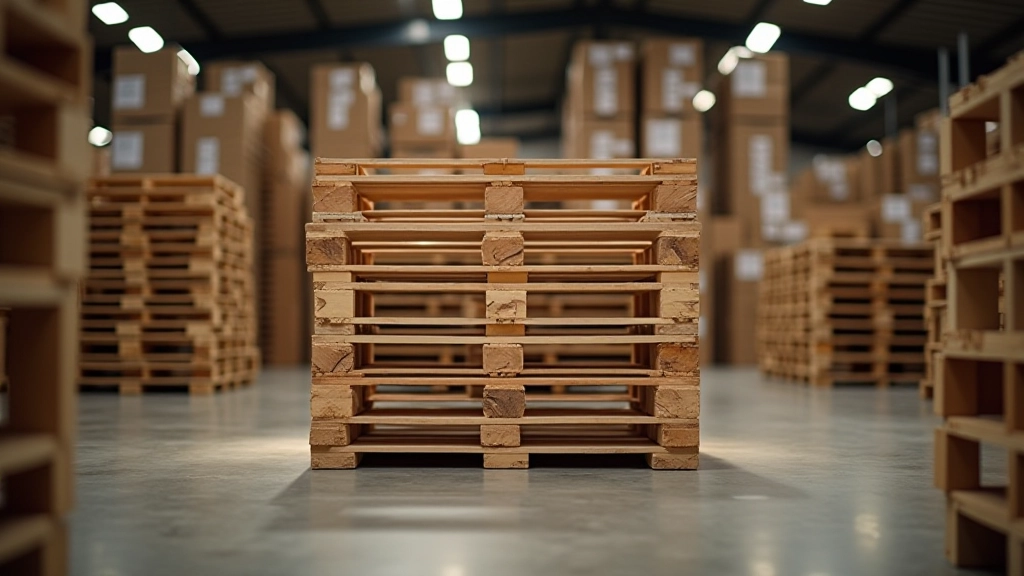
The standard European pallet measures 1,200 x 800 millimeters. It's what you'll find in most warehouses across Lithuania and the EU. But "standard" doesn't mean it's right for every situation. We've worked with operations storing delicate electronics and others handling heavy machinery — they need completely different solutions.
Most pallets can handle between 1,500 and 2,500 kilograms when properly distributed. That's substantial. But push beyond those limits and you're risking damage to both your goods and your equipment. The material matters too. Wooden pallets offer excellent grip for wrapped loads, while plastic versions work better in temperature-controlled environments.
Key Pallet Specifications
-
Dimensions: 1,200 x 800mm (EU standard)
-
Weight capacity: 1,500–2,500 kg per pallet
-
Typical height: 140–160mm with deck boards
-
Dynamic load: varies by material and construction
Material Choices That Matter
Here's where it gets practical. You've got three main options: solid wood, heat-treated wood, and plastic. Each one performs differently depending on what you're storing.
Solid wood pallets are what most warehouses use. They're durable, affordable, and work with standard forklifts. Heat-treated wood (HT-marked) is your choice if you're exporting goods internationally — it meets phytosanitary requirements without chemical fumigation. You'll pay a bit more, but it's worth it if cross-border shipping is part of your operation.
Plastic pallets cost more upfront — roughly 3 to 4 times the price of wooden ones. But they last longer, don't splinter, and are easier to sanitize. If you're in pharmaceuticals, food production, or other regulated industries, they might save you headaches. They're also lighter, which reduces transport costs on return loads.
Note:
This guide provides educational information about pallet selection for warehouse operations. Specific requirements vary based on your industry, local regulations, and cargo type. We recommend consulting with logistics professionals and reviewing compliance standards relevant to your particular storage needs and shipping routes.
Weight Distribution and Safety
Weight distribution isn't just a technical detail — it's about protecting your team and your products. An unevenly loaded pallet can shift during transport, damage goods, or create a safety hazard. We've seen operations lose entire shipments because of careless loading.
The center of gravity matters. Keep heavier items toward the center and lower on the stack. When you're wrapping pallets, wrap tightly enough to keep things stable but not so tight that you damage packaging. Most operations use 3 to 5 wraps around the load, depending on weight and fragility.
Double-stacking pallets is common, but it requires planning. Not all pallets are designed for the extra weight on top. If you're doing this regularly, invest in stronger pallets upfront. It's cheaper than dealing with collapsed stacks and product loss.
Storage Environment Considerations
Your warehouse environment shapes which pallets you should choose. Temperature swings, humidity levels, and floor conditions all matter.
In temperature-controlled warehouses, wooden pallets perform well. But if you're dealing with outdoor storage or high-humidity environments, wood absorbs moisture and warps. That's when plastic or composite pallets become more cost-effective long-term, even if the initial investment is higher. Concrete floors can be rough on wooden pallets too — the splinters accumulate, and you'll need replacements more frequently.
Freezer operations? Don't use untreated wood. Frozen pallets become brittle and split easily. Heat-treated or plastic versions handle the temperature shifts better. We've found that operations in Kaunas' modern warehouse facilities — where climate control is standard — can stretch wooden pallet lifespans to 5-7 years with proper maintenance.