
What Makes a Crate Manufacturing Standard?
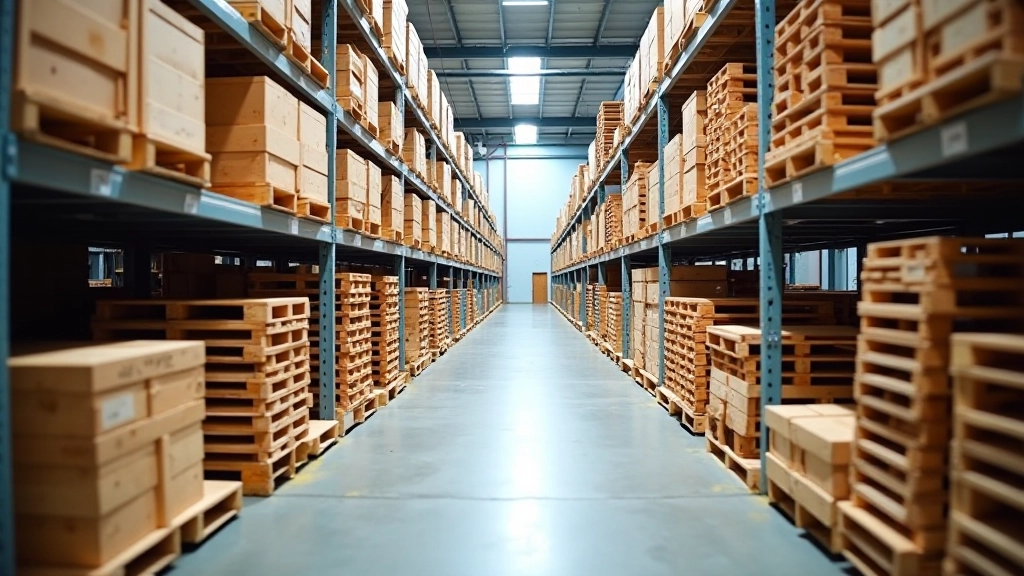
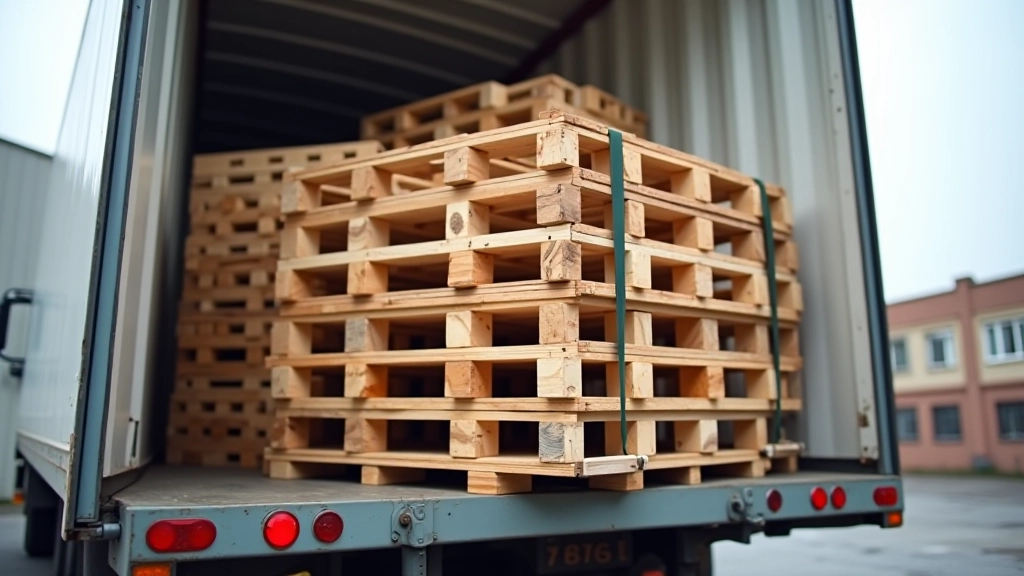
A shipping crate isn't just a wooden box. It's an engineered system designed to protect goods during transit, handle repeated stacking, and meet international compliance requirements. Manufacturing standards exist because poorly made crates fail in warehouses and during transport. We've seen it happen — goods arrive damaged, warehouses report quality issues, and suppliers end up replacing entire shipments.
The standards you need to know about cover three core areas: material specifications, construction methods, and performance testing. Each one matters. Wood moisture content affects strength. Fastener spacing determines load capacity. Drop tests reveal structural weaknesses. It's not mysterious — it's systematic.
Material Quality and Moisture Control
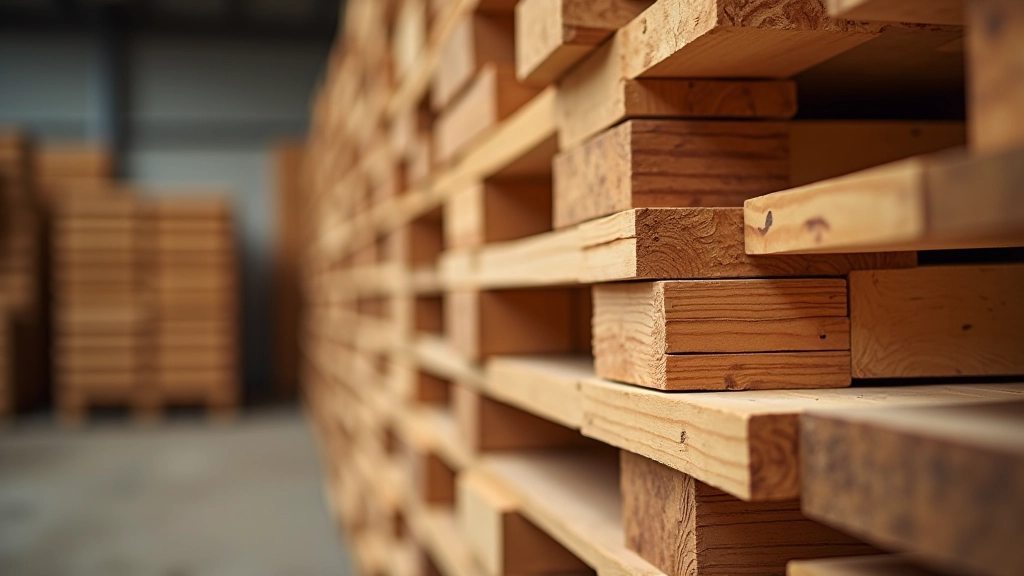
Wood quality starts with moisture. Timber with too much water content warps and loses strength. Dried too much, it becomes brittle and cracks. The target range is 12-15% moisture content for shipping crate wood — not a suggestion, a requirement for durability.
We check moisture levels on every batch using calibrated meters. Wood that doesn't meet specifications gets sorted for different applications or rejected entirely. You'll notice well-made crates feel solid and dense. Cheap crates often use green wood, and they'll fail under load.
Hardwoods like oak and birch perform better than softwoods for export crates. They're denser, handle repeated handling, and resist splitting. Softwoods work fine for domestic shipments where handling is gentler, but export means ocean freight, truck transport, and multiple warehouse transfers.
Key Moisture Standard
Wood moisture content: 12-15%. This range ensures the crate won't warp during climate changes or ocean transit. Checking happens before assembly, not after.
Construction Methods That Actually Work

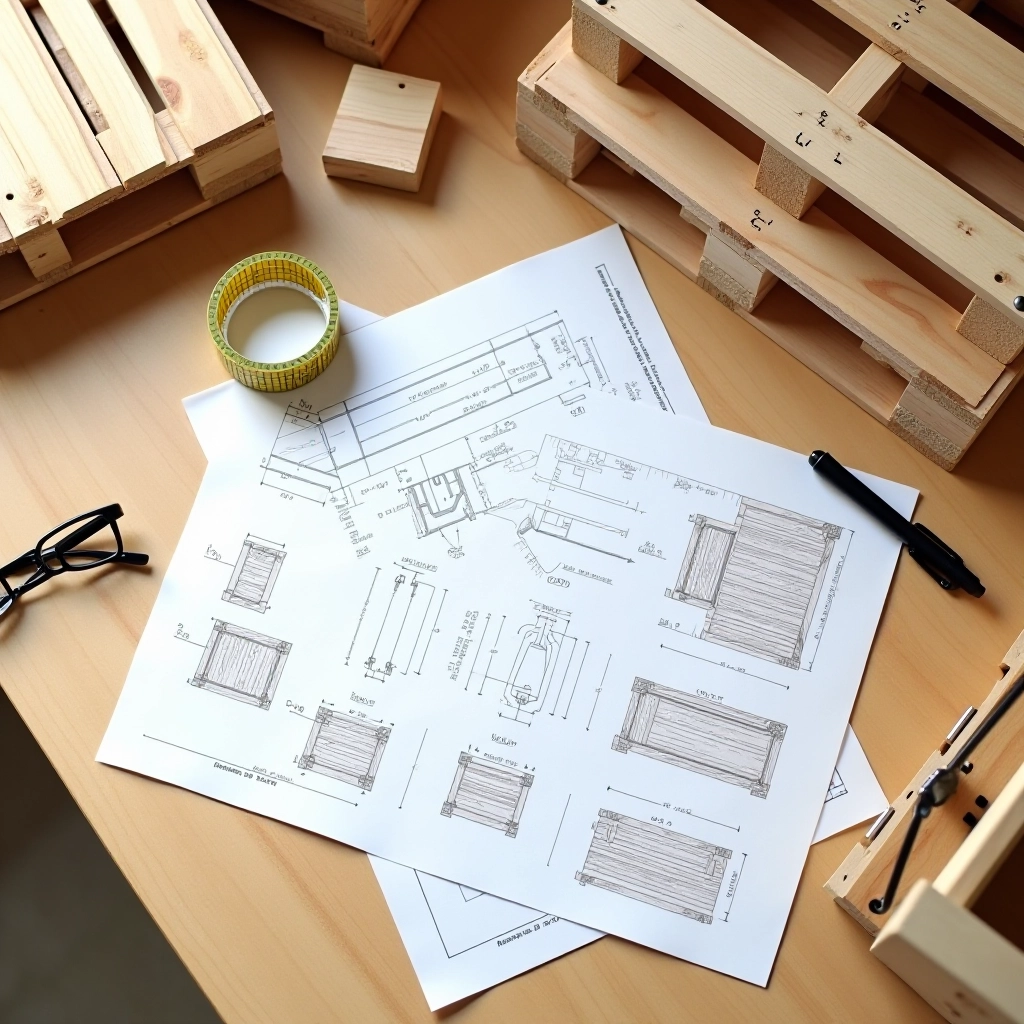
How you build a crate matters as much as what materials you use. Fastener spacing, joint design, and assembly sequence all affect how the crate performs. Standards specify nail patterns and screw placement — typically 4-6 inches apart on frame joints, 8-10 inches on deck boards.
We don't guess at spacing. Templates ensure consistency. Under-fastened crates come apart under load. Over-fastened ones split the wood. The right pattern distributes stress evenly and prevents both failures.
Joint construction follows specific rules too. Overlapped corners (where boards overlap and reinforce each other) are stronger than simple butt joints. The overlap should be at least 3-4 inches. This isn't aesthetic — it's structural. We've tested this extensively. Overlapped corners survive drop tests that destroy butt-jointed crates.
Testing and Compliance Requirements
Standards aren't just recommendations. They're verified through testing. Export crates typically go through drop tests, compression tests, and vibration tests. These simulate real-world conditions — rough handling, stacking, ocean transport vibration.
Drop Test
Crate drops from 1-2 meters onto concrete. No structural failure allowed. Tests how crate absorbs impact and whether corners split or joints separate.
Compression Test
Weight equivalent to 3-4 crates stacked is applied from above. Crate must support this without permanent deformation or failure. Tests stacking durability in warehouses.
Moisture Test
Crate exposed to humidity changes (simulating ocean conditions). Wood shouldn't warp beyond acceptable tolerances. Ensures crate stays square and contents stay protected.
ISO standards and ISTA (International Safe Transit Association) protocols define these tests precisely. We follow ISTA 3A and 3B depending on the shipment type. It's not complicated — it's just rigorous. You'll get documentation showing test results for batches you order.
Important Note
This information is provided for educational purposes to help you understand manufacturing standards for shipping crates. Specific compliance requirements may vary based on destination country, product type, and transport method. For export shipments, consult with your freight forwarder or customs broker to confirm which standards apply to your particular shipment. Standards evolve — what we've described reflects 2026 practices and may change.
Real-World Application: What You're Actually Buying
When you order crates that meet manufacturing standards, you're getting consistency. Every crate is built the same way. Wood's been tested. Fasteners follow the pattern. Tests have been run. This means your goods arrive in the same condition they left.
It also means cost predictability. You won't get surprise failures in the field. Warehouses won't report damage from crate deterioration. Stacking in distribution centers won't crush your shipment. You've paid for reliability, and you get it.
The trade-off? Standards-compliant crates cost more than basic boxes. But when you calculate the cost of damaged goods, warehouse delays, and customer complaints, the investment pays for itself quickly. We've worked with logistics companies that switched to standard-compliant crates and cut damage claims by 60-70%.
Why Standards Matter for Your Supply Chain
You don't need to become a crate engineer. But understanding standards helps you make better supplier decisions. You can ask the right questions: "What's your moisture content target?" "Which fastener spacing do you use?" "Can you provide test documentation?" Good suppliers have answers ready.
Standards also protect you internationally. Many countries won't accept wood packaging that hasn't met phytosanitary requirements. The US, EU, and other markets have specific rules. Standards compliance means your shipments move through customs smoothly without quarantine or rejection.
It's about building a supply chain you can rely on. When crates are built right, everything downstream works better — storage, transport, delivery. Your customers get their goods intact. Your reputation stays solid. That's worth the investment in standards.