
Choosing the Right Pallet for Your Warehouse
Standard dimensions, weight capacity, and material considerations. Learn what works for your operation.
Read MoreStacking strategies, racking systems, and safety protocols. Get more capacity without expanding your facility.
By
Editorial Team
Written by the Kaunas Logistics editorial team, focused on practical guidance for wooden pallet and crate supply in Lithuanian warehouses.
Your warehouse isn't just about what you store—it's about how you store it. We're talking the difference between wasting 30% of your floor space and using nearly every inch effectively. The right pallet approach transforms your operation without requiring expensive renovations or relocation costs.
Most warehouses operate at 60-70% capacity efficiency. That's not inevitable. It's a planning problem. By understanding vertical stacking, racking configurations, and load distribution, you'll unlock genuine capacity improvements. We've seen operations add 40-50% more storage capacity just by optimizing how they use existing space.
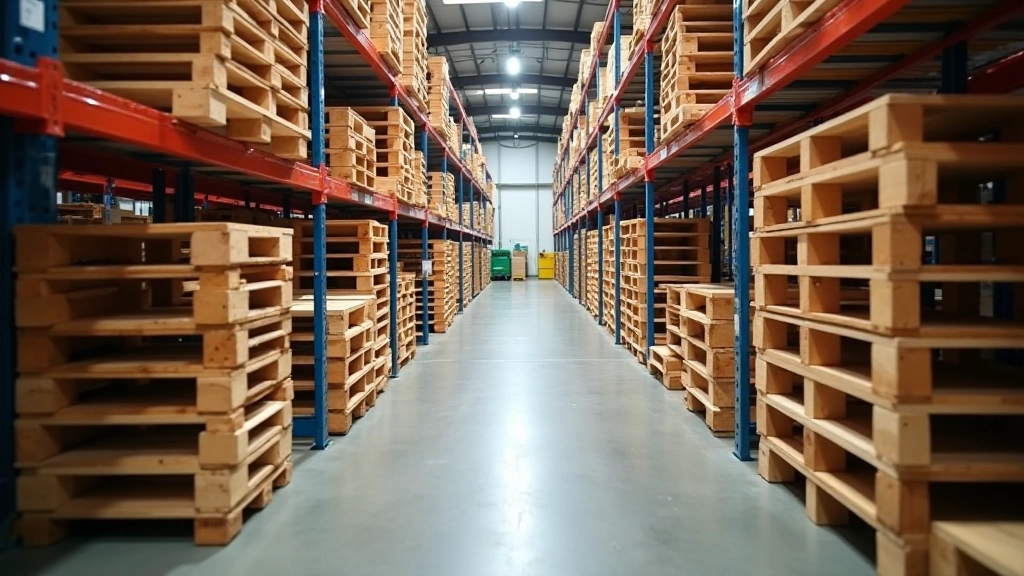
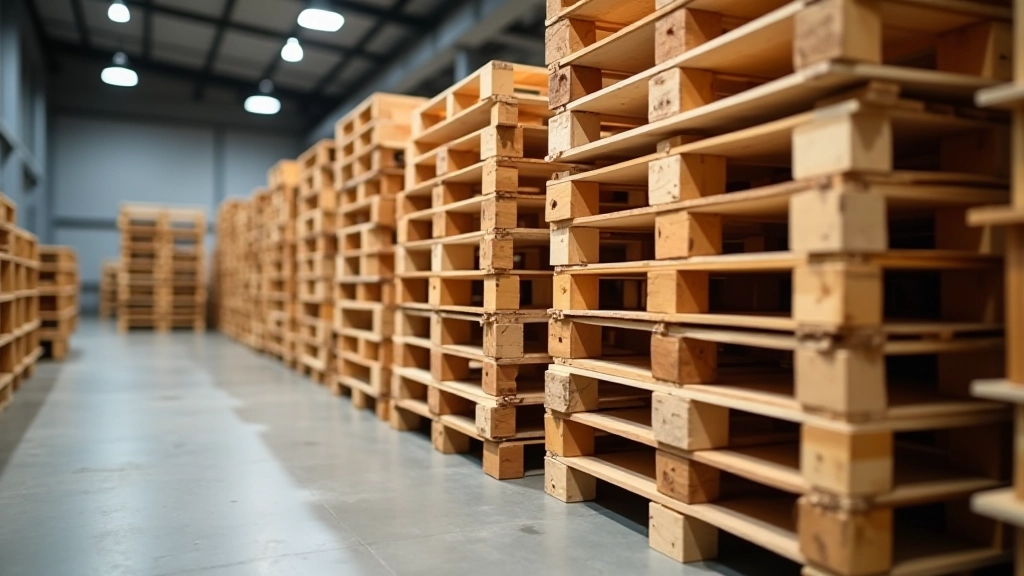
Stacking pallets vertically is the most direct way to increase capacity. Most standard wooden pallets handle 4-tier stacking safely, though that depends on pallet condition, load weight distribution, and what you're storing. Here's what works.
Pallets in good condition with uniform loads can safely reach four tiers. Each tier adds roughly 2.4 meters of height. You're looking at stable storage without the structural investment of a racking system. Best for items that don't need frequent access.
Don't stack beyond pallet capacity. A pallet rated for 1,000 kg per tier means 4,000 kg total across four tiers. Load distribution matters—concentrate weight toward the center and edges where pallet beams provide support. Uneven loads collapse pallets. We've seen it happen.
Plus, rotation is key. Wooden pallets wear. Inspect them regularly. A damaged deck board isn't just inefficient—it's a safety risk. Rotate pallets out after 12-18 months of heavy use, depending on storage conditions.
All pallet stacking recommendations in this guide are based on general best practices. Specific weight limits, stacking heights, and configurations depend on your pallets' condition, local building codes, and insurance requirements. Always verify pallet specifications with your supplier and consult with a warehouse safety professional before implementing any new storage system. Improper stacking creates injury and property damage risks.
When stacking alone doesn't cut it, racking systems become essential. You're investing in infrastructure, but you're gaining precision, safety, and accessibility. Different systems solve different problems.
This is the standard approach. Individual pallets sit on beams. You access any pallet without moving others. It's straightforward to use and works with most pallet types. Height typically reaches 6-8 meters depending on ceiling clearance and load weight. You'll sacrifice some space density compared to drive-in systems, but you gain complete accessibility.
Forklifts drive directly into lanes between racks. You're stacking deeper, not higher. This maximizes density for high-volume, lower-variety goods. LIFO (Last In, First Out) access works best here—think seasonal stock or bulk storage. It's not ideal for fast-moving SKUs that need random access.
Installation cost is higher. You're committing to specific layouts. But density gains justify it for the right operations. We've seen drive-in setups increase storage by 50-60% compared to selective racking on identical floor space.
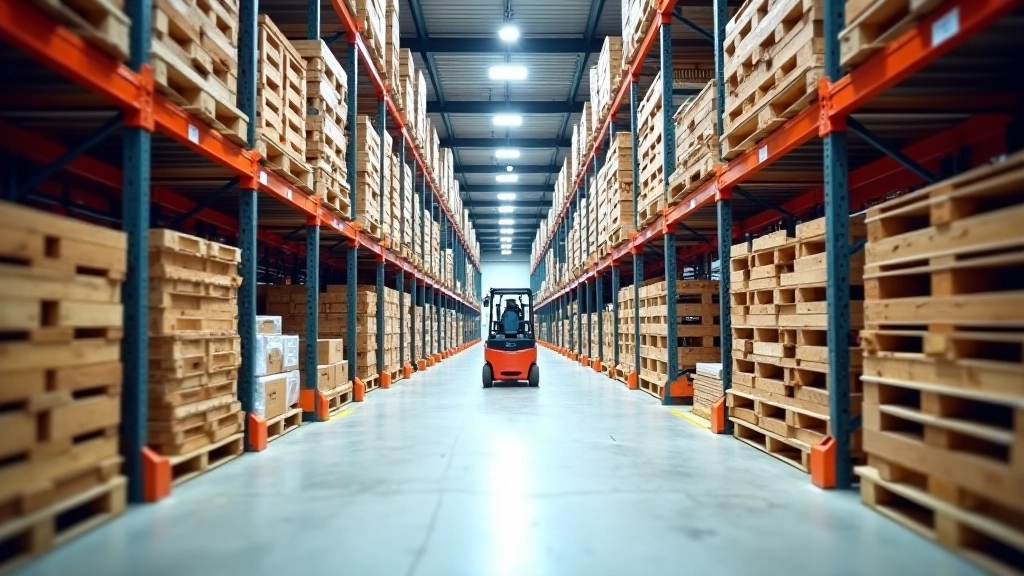
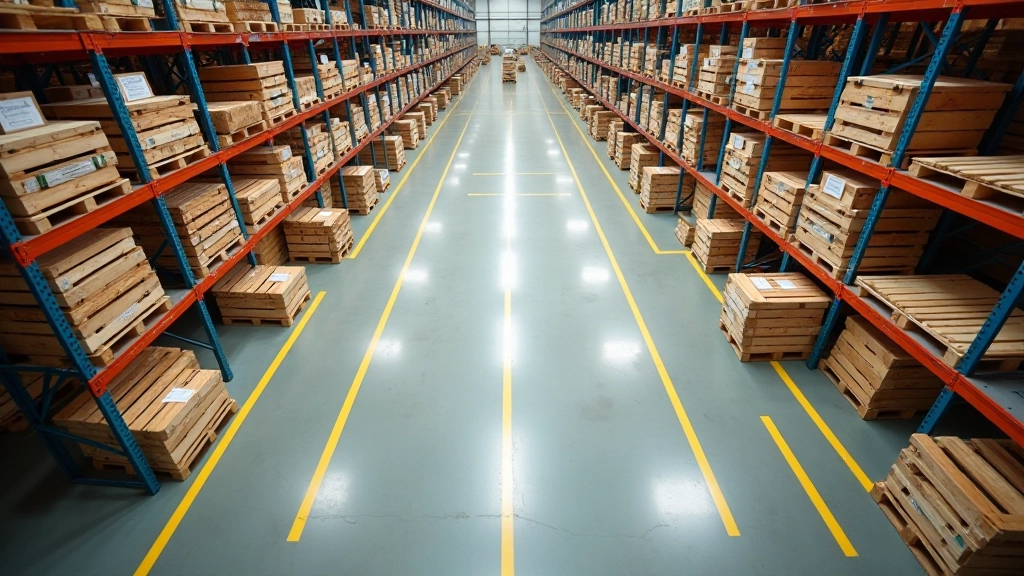
Storage efficiency isn't just vertical. It's horizontal too. How you arrange aisles, loading zones, and storage areas determines how smoothly operations run. Tight lanes save space but slow forklifts. Wide aisles cost space but improve flow.
A standard aisle for two-way forklift traffic needs 3.5-4 meters width. One-way? 2.5-3 meters. That difference compounds across a large warehouse. You're trading convenience for capacity. The right balance depends on your operation's speed and order complexity.
Load planning is equally important. Don't just stack randomly. Weight distribution across pallets affects stability. Heavier loads should go lower. Fragile items need cushioning—not just hope. Mixed SKUs on one pallet create handling nightmares. Plan before you stack.
More storage capacity means nothing if people get hurt or inventory gets damaged. Safety isn't negotiable.
Forklift operators need certification. Period. Untrained operators create collapses and injuries. Training covers load capacity, angle adjustments, speed management, and emergency procedures. Refresh training annually. New staff should complete certification before touching equipment.
Check pallets weekly. Look for cracked boards, bent stringers, rusted nails, and warping. A damaged pallet fails without warning. Document conditions. Rotate out problem pallets immediately. Equipment inspection matters too—racking systems need structural checks every 12 months.
Shrink wrap, straps, and nets prevent shifting during transport and stacking. Unsecured loads fall. Don't assume stacking height equals stability. Secure everything that moves between tiers. Vertical load movement causes collapse and injuries.
Mark aisle edges, column locations, and height restrictions clearly. Yellow and black tape, painted lines, and signage prevent collisions. Staff needs to see obstacles from a distance. Dim lighting and poor markings create accidents waiting to happen.
You don't need to overhaul everything at once. Start with an audit. How are you currently using space? Where's the waste? Measure aisle widths, pallet conditions, and stacking heights. Identify quick wins—better layout adjustments or equipment repairs—that improve capacity without major investment.
Then think bigger. If selective racking makes sense, get quotes from suppliers. If drive-in systems fit your operation, plan the transition carefully. Safety improvements and staff training aren't optional—they're foundational.
The goal isn't maximum height or density. It's the right system for your actual operation. That balance—between capacity, accessibility, safety, and cost—is what turns warehouse space into real competitive advantage.
Ready to explore pallet solutions for your specific needs?
Get in TouchExplore more guides on pallets, crates, and warehouse logistics
Standard dimensions, weight capacity, and material considerations. Learn what works for your operation.
Read More
Quality control, durability testing, and compliance requirements for export packaging.
Read More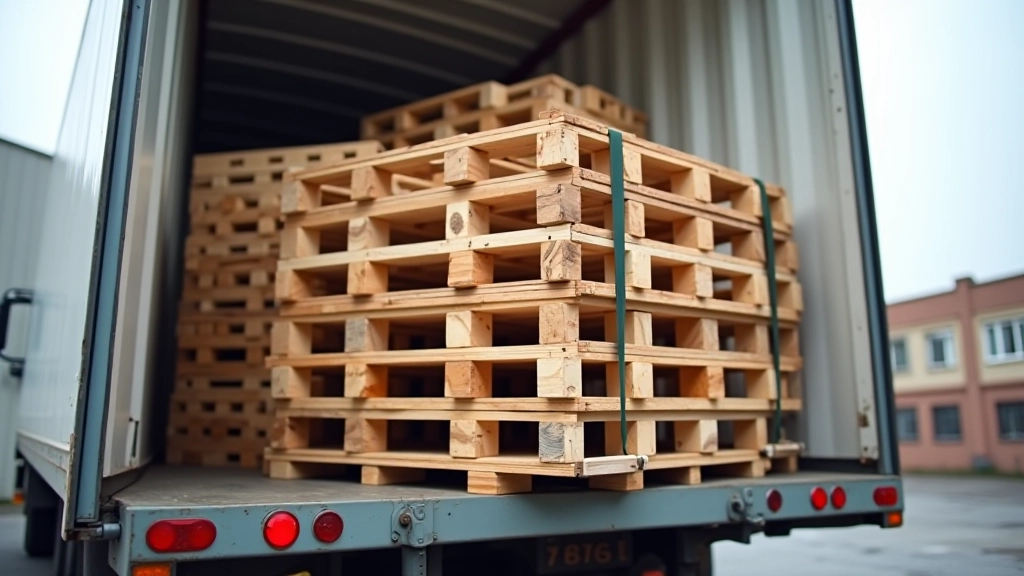
Securing methods, vehicle requirements, and delivery best practices. Ensure your goods arrive intact.
Read More