
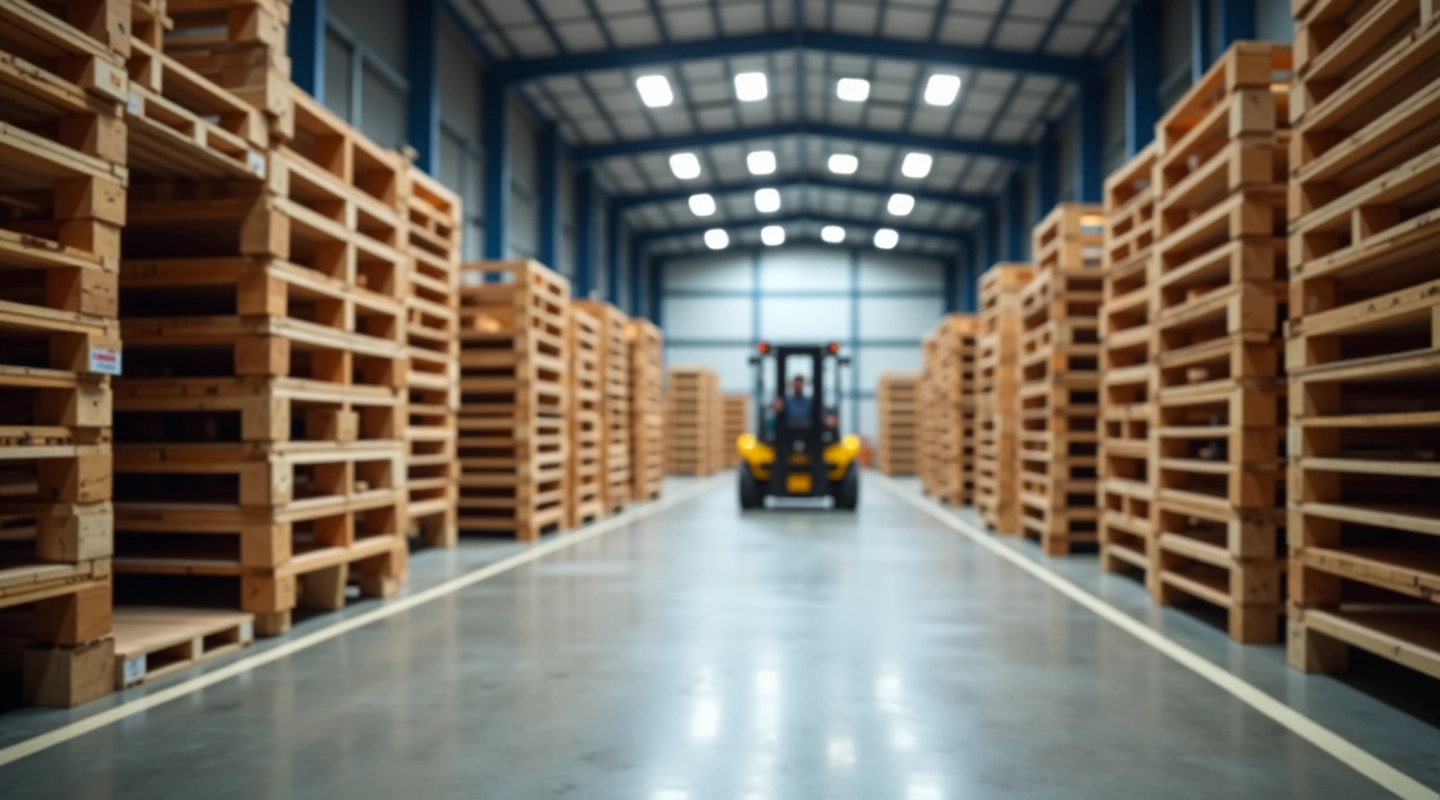
Choosing the Right Pallet for Your Warehouse
Standard dimensions, weight capacity, and material considerations. Learn what wooden pallets work best for your specific warehouse needs.
Read ArticleSecuring methods, vehicle requirements, and delivery best practices. Ensure your shipments arrive undamaged and on time.

Author
Editorial Team
Written by the Kaunas Logistics editorial team, focused on practical guidance for wooden pallet and crate supply in Lithuanian warehouses.
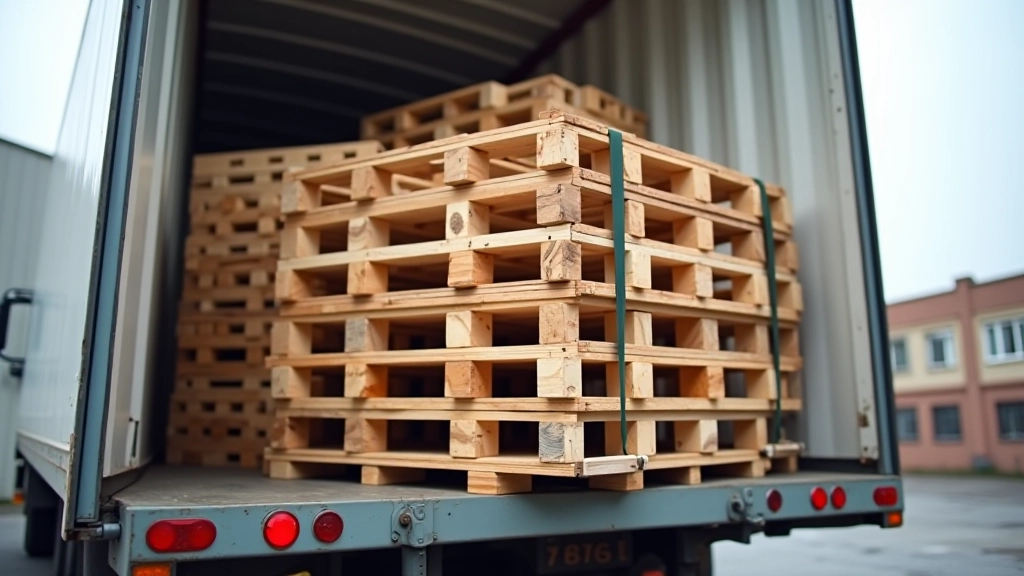
Proper securing isn't just about following rules. It's the difference between cargo arriving in perfect condition and dealing with damaged goods, costly claims, and frustrated clients. We've learned this through years of working with warehouses across Lithuania.
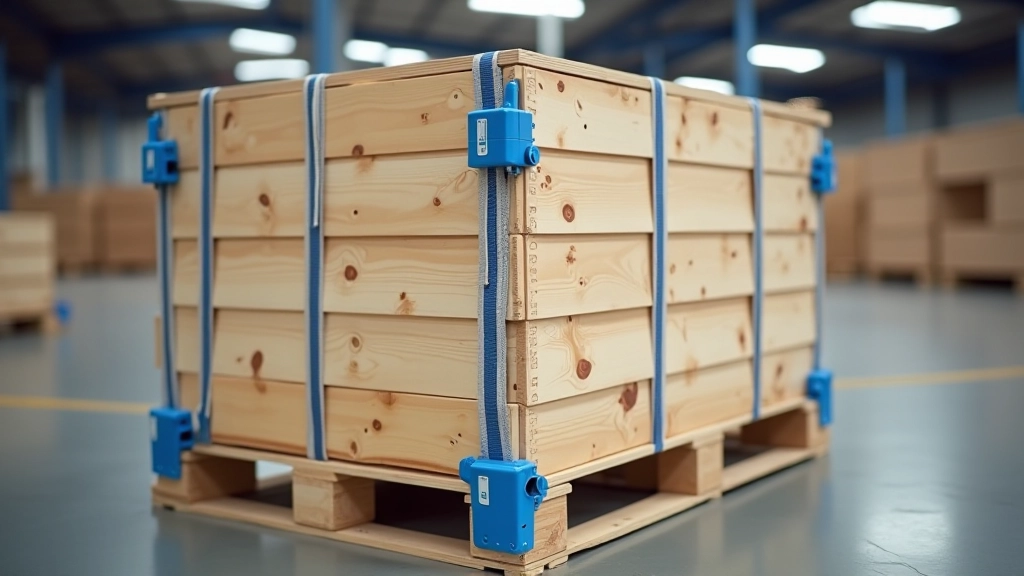
The foundation starts with the right straps. You'll want to use either polyester webbing straps or ratchet straps rated for the weight you're transporting. A standard pallet weighing 800 kg needs straps that can handle at least 1,200 kg when properly secured. Don't guess on this — it matters.
Corner protection is easy to overlook but essential. Place cardboard edge protectors or plastic corners where straps make contact with your goods. This prevents strap friction from damaging products during transport, especially for delicate items or when traveling on bumpy roads.
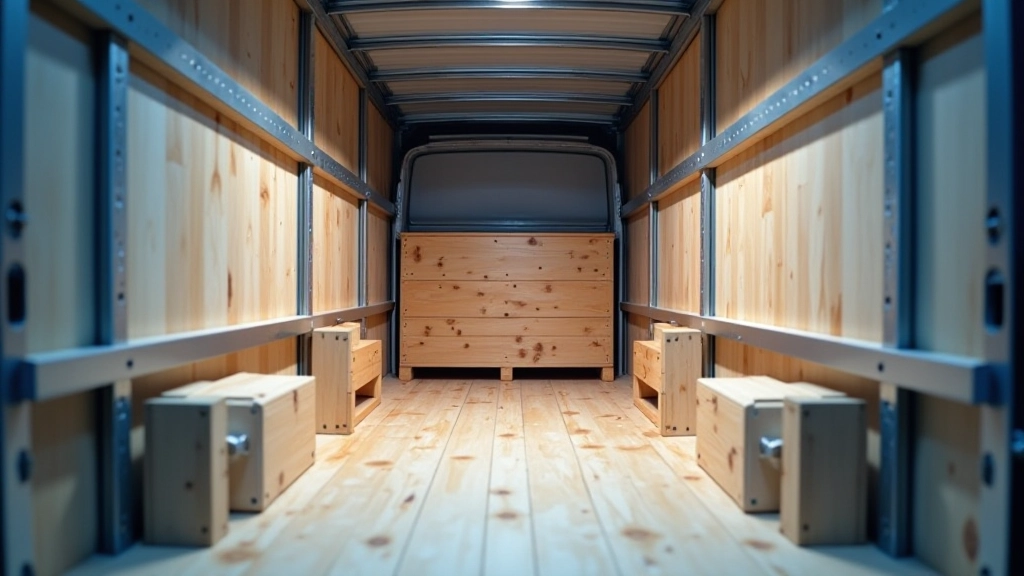
Not every vehicle is suitable for every load. A standard truck bed can handle 20 standard 1200x800 mm pallets safely, but you need to account for weight distribution, axle limits, and road conditions.
Before loading, inspect your vehicle thoroughly. Check that the cargo bed is clean and free of nails, debris, or moisture that could damage goods. Verify all tie-down points are functional and that any barriers or nets are properly secured. We've seen preventable damage from a single sharp edge or loose tie-down point.
Load weight distribution matters significantly. The heaviest pallets belong toward the front and center of the truck bed, never stacked too high on the sides where they can shift during turns. For multi-pallet loads, position them so the combined center of gravity sits within the vehicle's wheelbase. This isn't just about safety regulations — it's about keeping your cargo from tipping and keeping your drivers safe.
Temperature-controlled transport requires different preparation. If you're moving goods that need climate management, ensure the cooling system runs for at least 30 minutes before loading. Check the temperature inside reaches the target before pallets enter the truck. Many damage claims come from goods being loaded into warm vehicles where condensation then damages the product.
This article provides informational guidance based on common industry practices for pallet transport in Lithuania. Requirements vary depending on cargo type, vehicle specifications, and destination regulations. Always consult your vehicle manufacturer's guidelines, verify current transportation regulations with your local authorities, and consider professional transport companies for high-value or specialized loads. We're not liable for outcomes based on this information — use it as educational reference alongside professional advice.
The delivery process isn't just about arriving at a destination. It's about arriving with goods in the condition the client expects and can actually use.
Communication starts before you leave the warehouse. Confirm with the receiving facility what time you'll arrive, what unloading equipment they have available, and whether they've space prepared. Nothing's worse than arriving with a full truck only to find they're not ready to receive. That delay costs time and increases the risk of damage from weather exposure.
During the route, stop every 2-3 hours to inspect your load. Check that straps haven't loosened, that no goods have shifted, and that weather hasn't affected the cargo. On longer routes covering 400+ km, this brief stop can catch problems early before they become major damage claims.
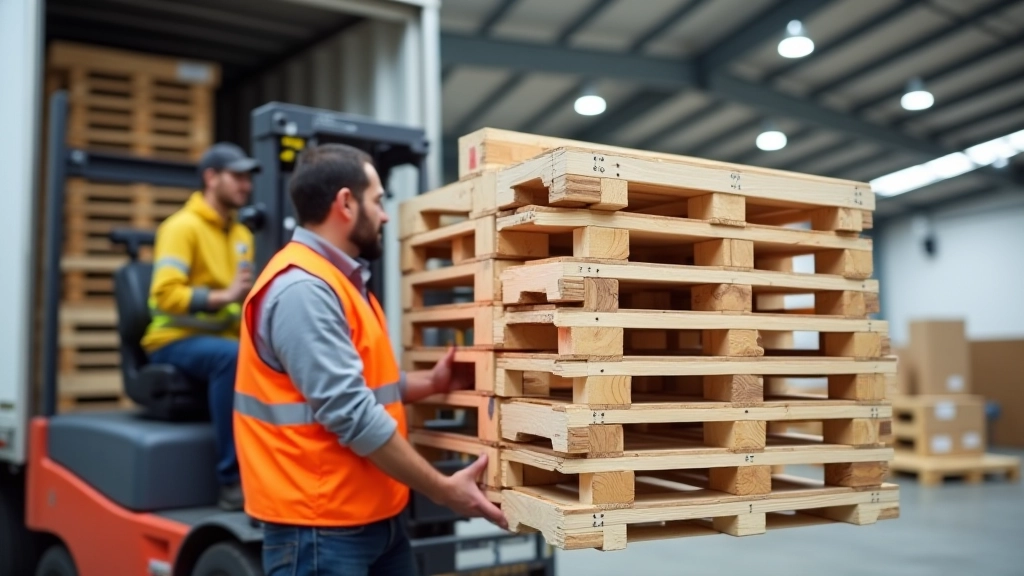
When unloading, always use proper equipment. Don't rely on rough handling or dragging pallets across concrete. Use forklifts, pallet jacks, or hand trucks depending on what the receiving facility has available. If they don't have equipment, your driver should be trained to assist safely without causing damage.
Final inspection happens at the destination. Walk the client through the cargo as it's unloaded. Point out any marks, damage, or discrepancies immediately so everything's documented while you're both present. This transparency builds trust and prevents disputes later about when damage occurred.

Paperwork might seem tedious, but it's your protection when things go wrong. Proper documentation creates a clear record of what was shipped, in what condition, and when it was delivered.
You'll need weight certificates for loads exceeding 750 kg. These aren't optional suggestions — they're legal requirements for vehicles using certain routes. Get these from your warehouse before loading. They take 15 minutes to generate and save you from potential fines or being refused at checkpoints.
Shipping manifests must list each pallet's contents, weight, and destination. Include details about any special handling requirements — whether something's fragile, temperature-sensitive, or requires special care. This information follows the cargo so the receiving facility knows exactly what they're getting and how to handle it.
Delivery confirmations signed by the receiving facility are your proof of successful delivery. These should note the time of arrival, any visible damage, and that the cargo was received in the condition specified. Keep copies for at least two years. If a client later claims damage, you've got documentation showing the goods arrived safely.
Logistics doesn't have to be complicated. It's about attention to detail, understanding that cargo represents someone's investment, and recognizing that safe transport builds business relationships. Every pallet that arrives undamaged is a small win that keeps clients coming back.
Start with the fundamentals: proper securing, appropriate vehicles, regular inspections, and clear documentation. These aren't shortcuts or optional practices — they're the foundation of reliable transport. Whether you're moving 5 pallets or 50, these principles remain the same.
The good news? You don't need expensive equipment or complicated systems. You need care, consistency, and the willingness to double-check everything. That's how you move pallets safely, and that's how you build a reputation people trust.
Discover practical guides on pallet selection, manufacturing standards, and warehouse optimization
Standard dimensions, weight capacity, and material considerations. Learn what wooden pallets work best for your specific warehouse needs.
Read Article
Quality control, durability testing, and compliance requirements for export packaging. Understand what makes crates suitable for demanding shipments.
Read Article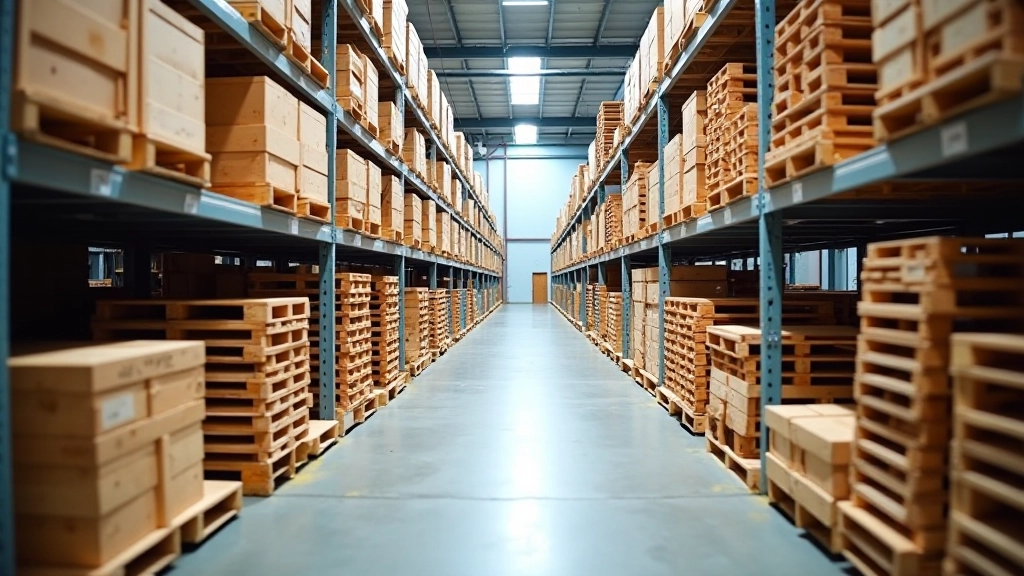
Stacking strategies, racking systems, and safety protocols. Get more capacity without sacrificing organization or worker safety.
Read Article